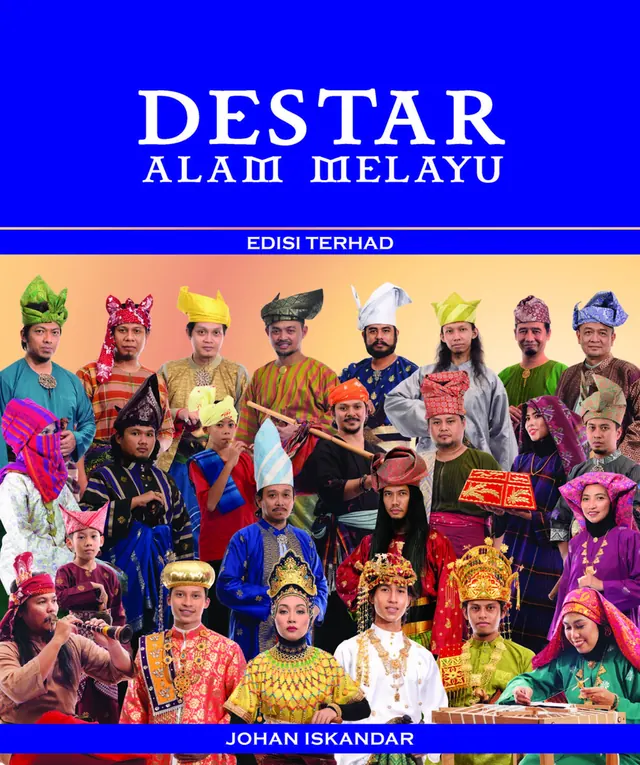
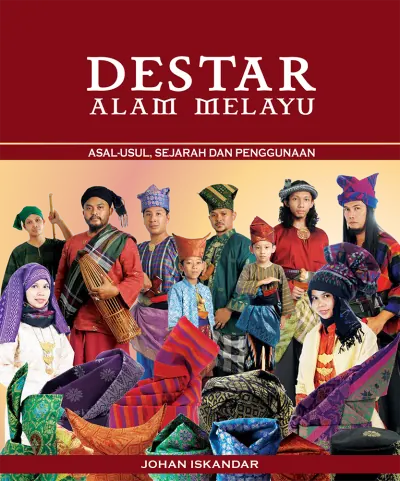
An online corpus of classical Malay texts, now comprising 165 texts and 5.8 million words, including 140,000 verses
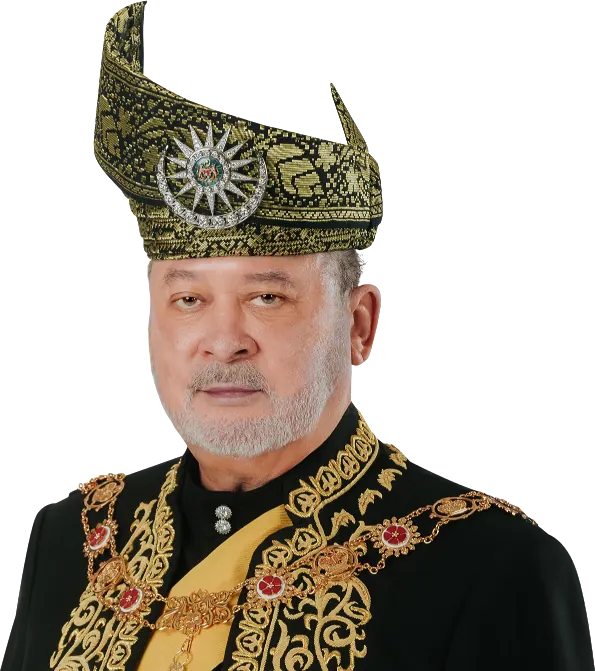
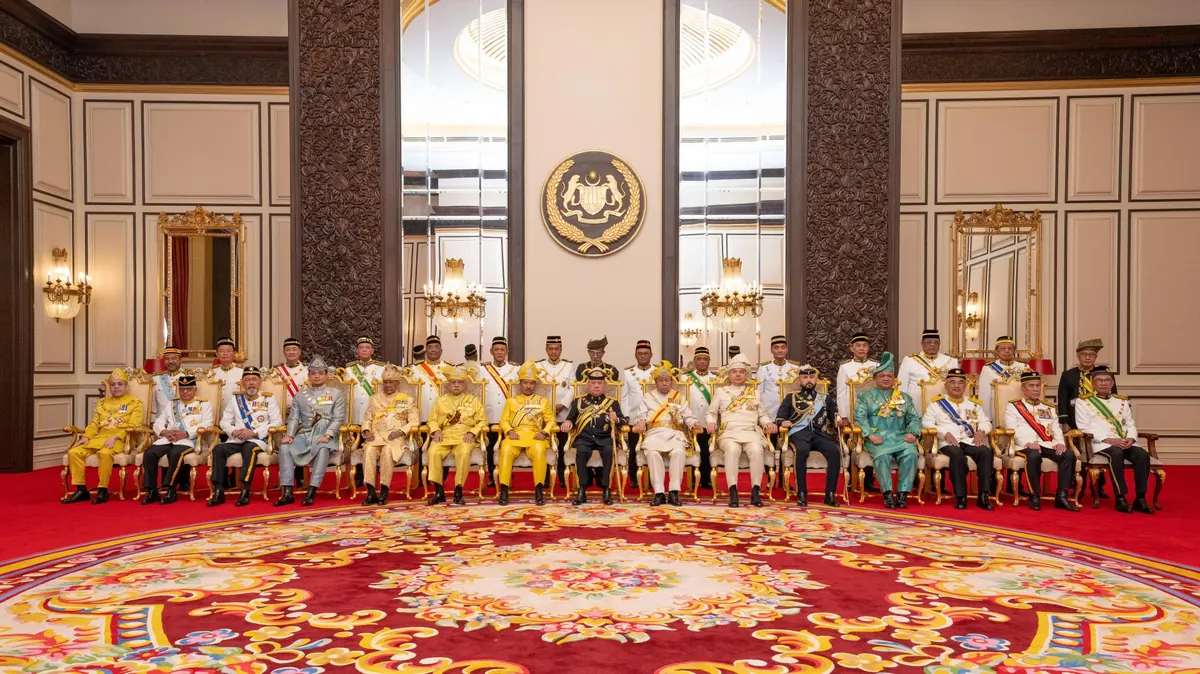
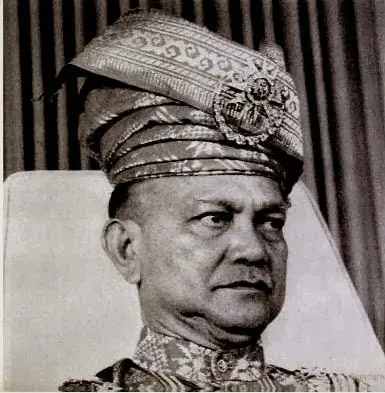
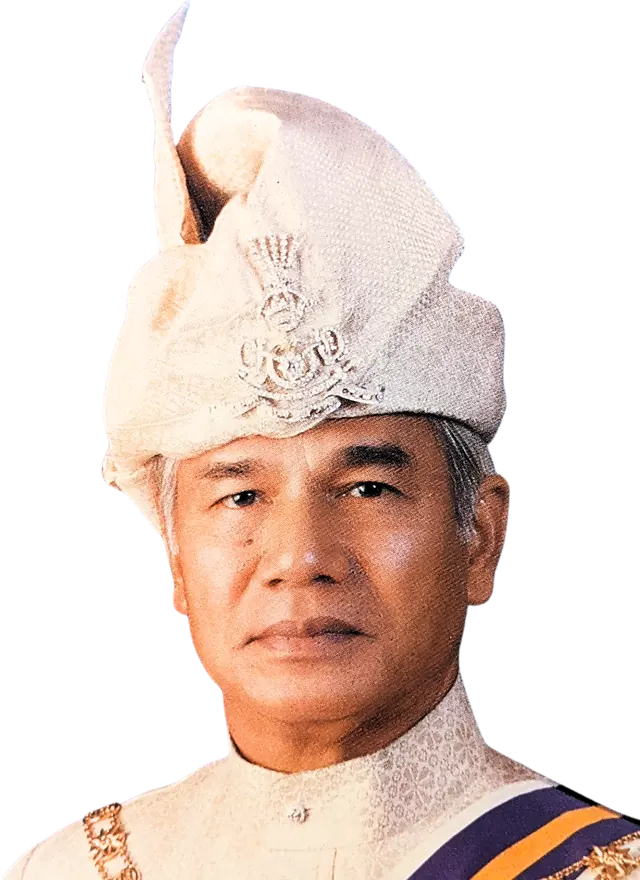
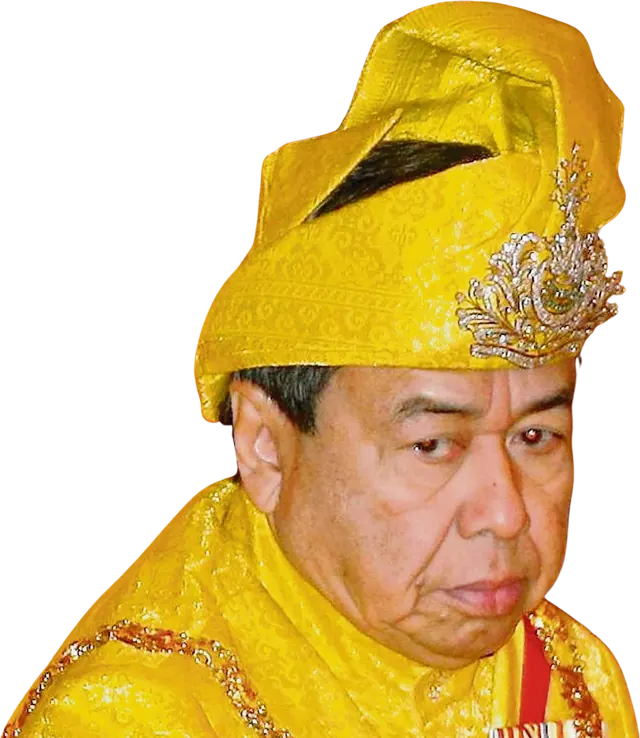
The Yang di-Pertuan Agong
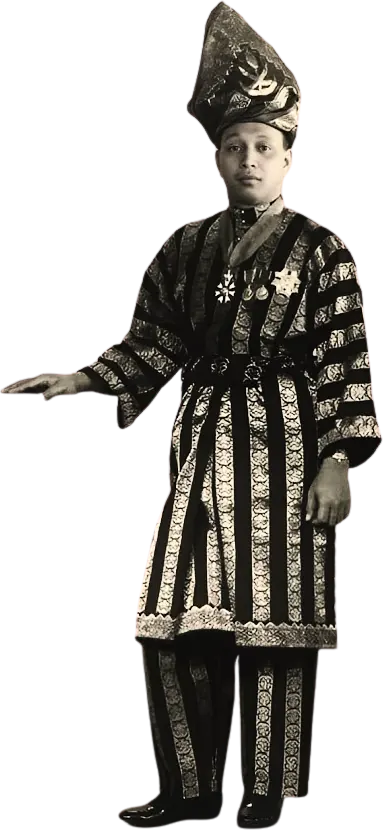
Kebawah Duli Yang Maha Mulia Seri Paduka Baginda Yang di-Pertuan Agong Sultan Ibrahim ibni Almarhum Sultan Iskandar Al-Haj
The Exhibition
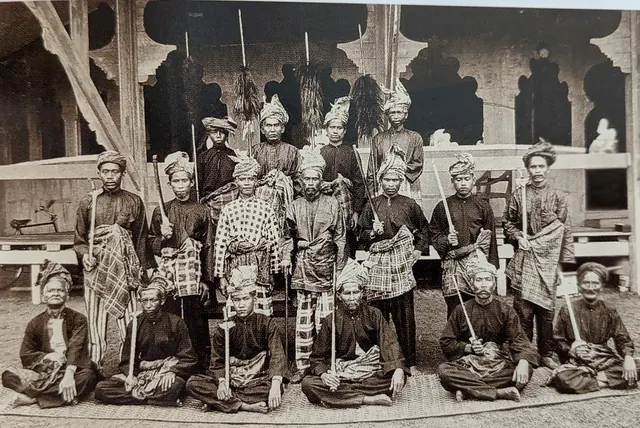
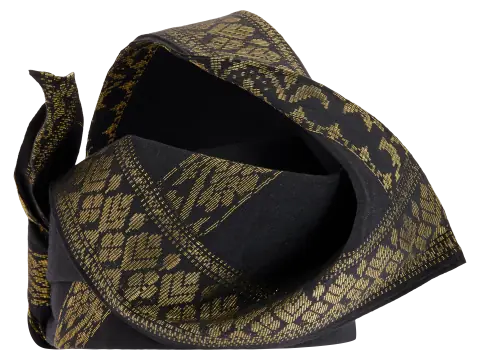
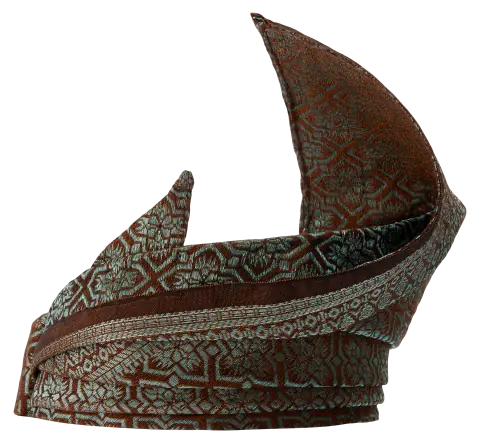
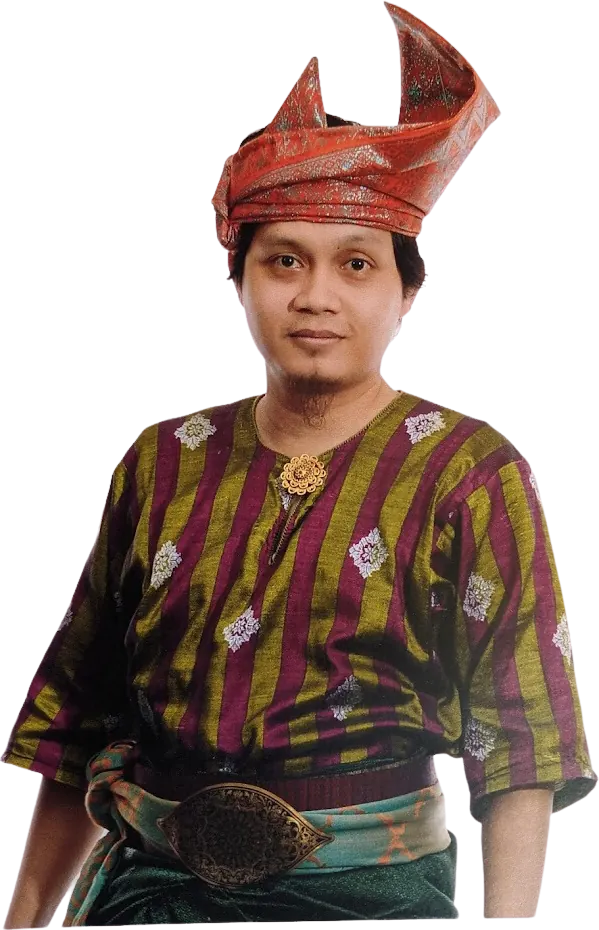
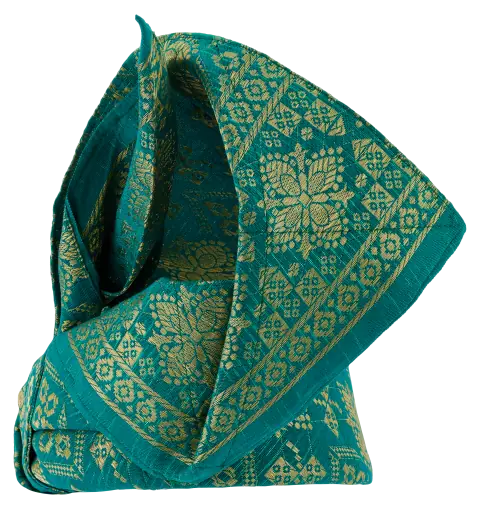
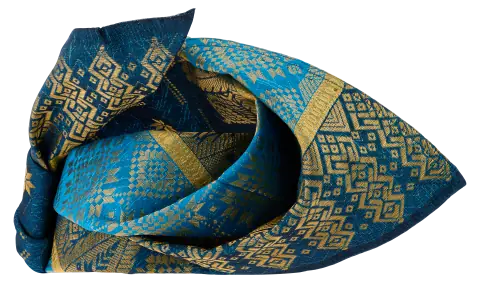
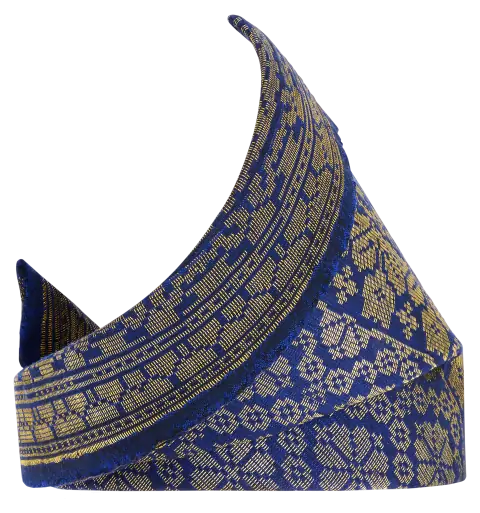
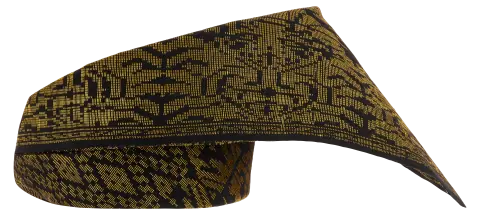
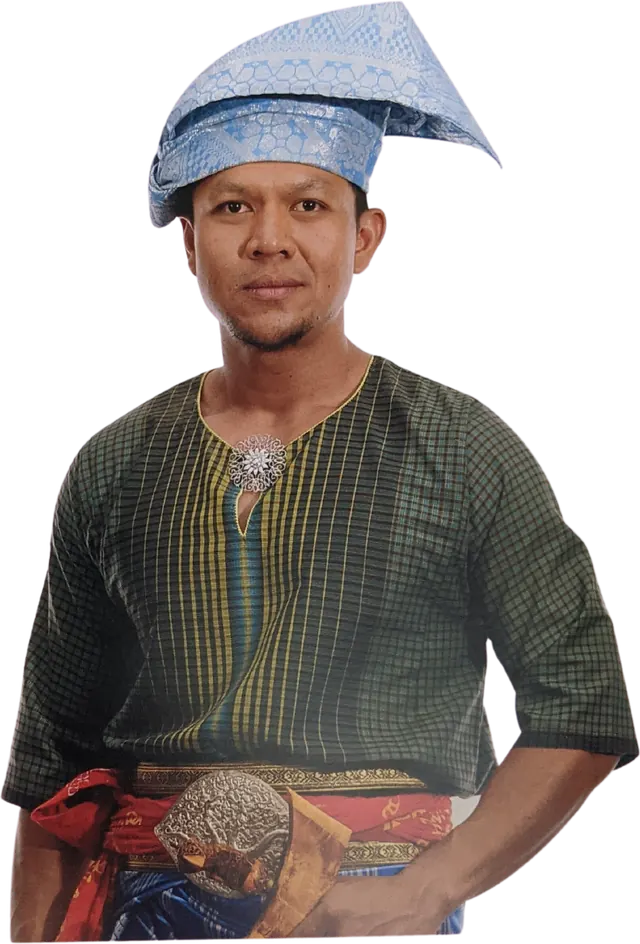
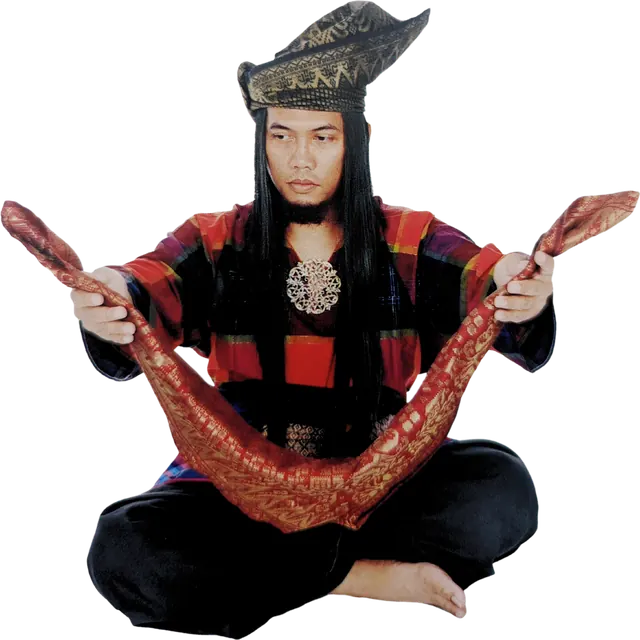
Among the countless regalia that have graced the Malay world’s storied courts and sacred rituals, few objects carry as much layered significance as the destar, tanjak, and tengkolok. These traditional headdresses represent masterful craftsmanship, social status, and cultural identity. Worn by royalty and commoners alike, these intricate headpieces showcase exquisite textiles, precious metals, and symbolic motifs. They served as diplomatic gifts, markers of rank, and even subtle forms of resistance against colonial rule.
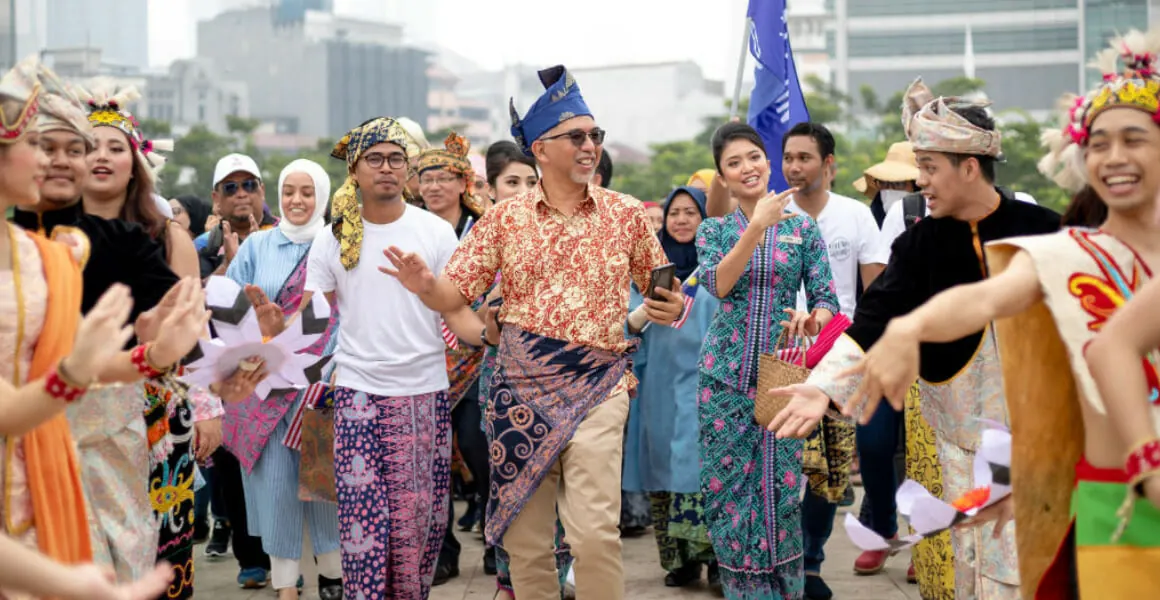
This exhibition explores the artistry and significance of the Nusantara’s ‘crowns of cloth’, from the courts of sultanates to contemporary revivals. Through historical examples and modern interpretations, we invite you to discover how these elegant creations wove together tradition, power, and personal expression.
Curated by Nazirul Hazim Crafted by Mustaqim Marzuki
Destar, Tanjak and Tengkolok in Classical Malay Texts
Destar
Across 143 classical Malay texts, the destar appears in over 90 passages.
In Sejarah Melayu, we find the Bendahara deferring to his consort: “Destar mana yang patut dengan kain baju beta ini?”
In Hikayat Hang Tuah, the destar is often gold-threaded, flower-crowned, and ready for festivity or combat.
In Kitab Suci, it becomes metaphorical—divine appointment, ritual purity, and priestly status.
In Adat Raja Melayu, it crowns the groom, paired with the bride’s sanggul, uniting gendered forms of transition and dignity.
In Melakan court tradition, to cast one’s destar at a ruler’s feet is to reject service, to renounce loyalty, or to display grief too deep for words
In Hikayat Tanah Hitu, “buang destar” signifies religious conversion and civilizational upheaval. To wear a destar is to declare one’s belonging. To misuse or neglect it is to court disgrace.
In Syair Sultan Fansuri, “kasih hormatnya seperti destar” turns the destar into a metaphor for reverence.
Tanjak
The tanjak—often seen as a stylised version of the destar—emerges in 14 key moments across 162 texts, from Hikayat Banjar to Syair Raja Johor and Surat Pawang. Its appearances may be fewer, but their literary weight is considerable. The tanjak is almost always tied to masculine grandeur, transformation, and ritual formality.
In Hikayat Johor serta Pahang, it completes the groom’s regalia alongside keris, pendants, and ornate fabrics.
In Syair Raja Johor, nobles dress in mirrored unity: “bertanjak sendeng serupa ia.”
In Syair Sultan Nur Peri, poetic stanzas wrap around its jewel-tipped fold: “berbulang telapak tanjak di kiri,” a gesture of inherited style and courtly grace.
But the tanjak also holds metaphysical resonance. In Surat Pawang, “Tanjak Malim Kaya” refers to a jin-king, its very name charged with sacred protection and mystical authority. Described in metaphors of architecture, light, or elevation, the tanjak blurs the line between adornment and invocation.
Tengkolok
The tengkolok is the most solemn of the three—appearing 33 times in 157 classical Malay texts. It is especially prominent in Hikayat Muhammad Hanafiah, Sejarah Melayu, Hikayat Amir Hamzah, and Misa Melayu, often during heightened emotional and spiritual intensity. Unlike the courtly elegance of the destar or the formal masculinity of the tanjak, the tengkolok is present in grief, martyrdom, divine lineage, and resistance.
In Hikayat Muhammad Hanafiah, it is the tengkolok of the Prophet, worn by his descendants as they ride into battle.
In Misa Melayu, mass donning of the tengkolok marks political allegiance and ritual hierarchy. Most evocatively, the act of menanggalkan tengkoloknya—removing one’s tengkolok—recurs in scenes of mourning, rage, or surrender. It is the Malay act of casting down one’s crown.
Its bond with the body is intimate. The tengkolok is used to bind wounds, to wrap the dead, to carry relics, or to tether sacred vows.
In Cerita Jenaka, even the comic Si Luncai wears one, showing how the form has entered both reverent and satirical registers.
Quotations: Sejarah Melayu (SM)
… Raja Muhammad pun lalu, ketika itu Tun Besar sedang menyepak raga; maka raga itu pun jatuh menimpa destar Raja Muhammad, jatuh ke tanah. Maka kata Raja Muhammad, “Ceh, jatuh destar kita oleh Tun Besar!” Sambil memandang mata penjawatnya. Maka berlari orang yang membawa puan baginda, ditikamnya Tun Besar, kena belikat terus ke hulu hati.
— SM 142:29
… Adapun akan Tun Hassan Temenggung, apabila akan mengatur orang makan, maka ia memakai seberhana pakaian; berkain memancung, bersebai, berdestar berhalaman, bertajuk dan berkancing
— SM 193:39
… Maka dibangatkan pula oleh hamba raja itu, barulah ia berkain; dua tiga belas kali dirombaknya, belum baik, dibaikinya. Sudah itu maka berbaju dan berdestar, itu pun demikian juga; dua tiga belas kali diikat, dirombak, belum baik diperbaikinya
— SM 183:35
… Sebermula, jikalau hamba Bendahara Seri Maharaja datang dari teluk rantau, berbaju kesumba berkancing, berdestar pelangi, maka kata Bendahara Seri Maharaja, “Siapa nama tuan hamba?”
— SM 239:10
Maka segera diberi orang tahu pada Bendahara mengatakan Yang Dipertuan ada berdiri di luar. Maka Bendahara pun segera keluar, berkeris pun tiada, berdestar pun di jalan.
— SM 80:22
Setelah sudah Tun Isap makan, maka oleh Sultan Mahmud dipeluk dicium baginda akan Tun Isap. Maka disuruh ikat dengan destar, disuruh hantarkan pada Seri Wak Raja, kerana pada bicara baginda, “Apabila kuikat Tun Isap ini, kuhantarkan pada Seri Wak Raja, nescaya tiada akan dibunuhnya.”
— SM 182:19
Quotations: Hikayat Hang Tuah (Tuah)
… dan permata merah, berkain ungu bertepi emas dipahat bersirat benang emas kembayat ditatah pudi maknikam, ikat pinggang bersuji air emas diragam dan berbaju anta kesuma dan berdastar bertepi, bersirat emas dipahat awan berarak. Setelah sudah memakai maka dipakainya keris berhulukan emas bawang sebungkal; ada suatu intan harganya sebuah negeri
— Tuah 87:29
… Maka Laksamana pun memakai dastar bunga dikarang gajah gemulung. Maka Hang Jebat, Hang Kasturi, Hang Lekir, Hang Lekiu pun sama-sama bertajuk bunga cempaka dan bunga angsoka dan bunga China. Maka Hang Lekir, Hang Lekiu pun berdastar bunga China tiga warna sama berkunci bunga dikarang.
— Tuah 174:29
… Maka diambilnya kain raja yang berpakankan emas itu dipakainya dan baju raja daripada rambuti itu pun dipakainya. Maka dastar daripada emas yang berpermata itu dipakainya. Setelah sudah maka Si Jebat pun duduk di atas peterana yang keemasan.
— Tuah 320:16
… Setelah segala pegawai dan petuanan itu mendengar kata Bendahara demikian itu lalu naik ke rumah, maka segala pegawai dan petuanan itu pun sekalian membuangkan dastar berkabung. Maka kata Tun Mat, “Ya tuan-tuan sekalian, baik juga tuan-tuan sekalian pulang dahulu kerana adatnyalah hamba itu dimurkai oleh tuannya. Janganlah tuan dukacita.”
— Tuah 37:20
… duduk menyembah serta menghempaskan dastarnya dan kerisnya. Maka raja pun terkejut, serta bertitah, “Hai Patih Kerma Wijaya dan segala pegawai, mengapa maka menghempaskan dastar dan keris di hadapan kita ini?”
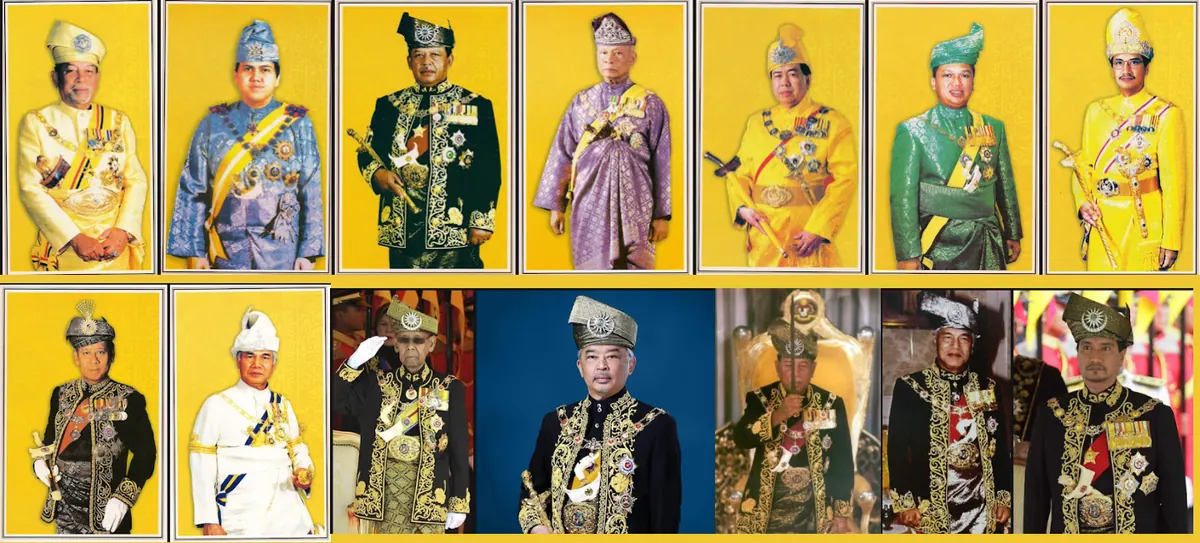
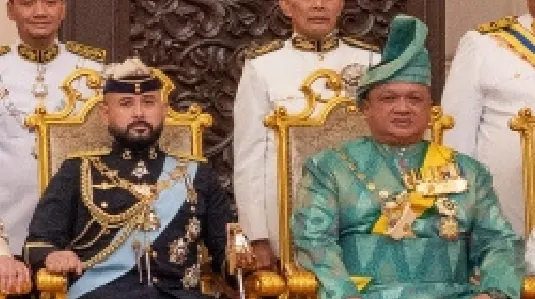
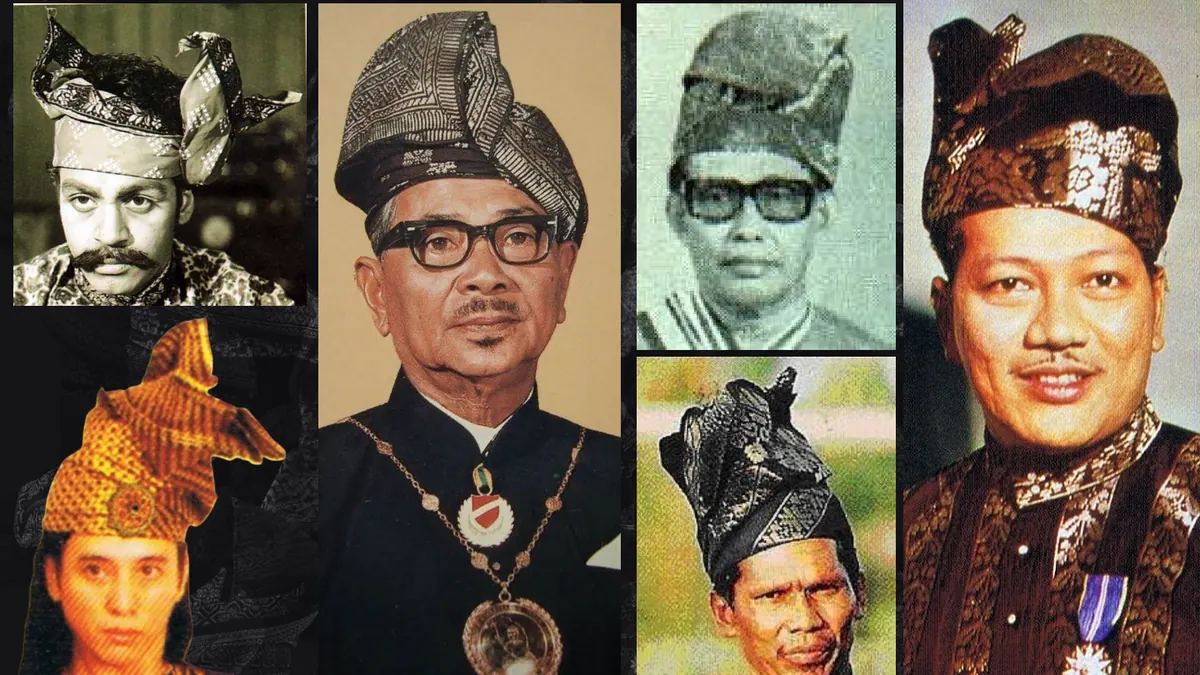
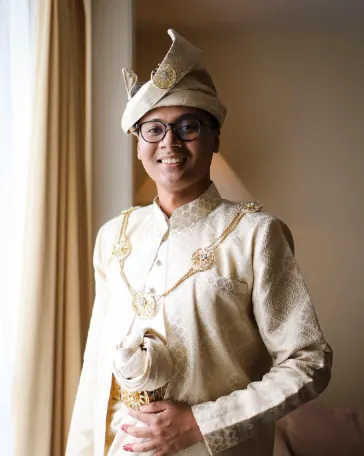
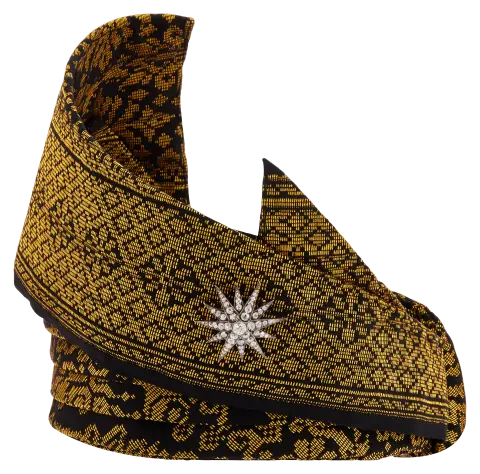
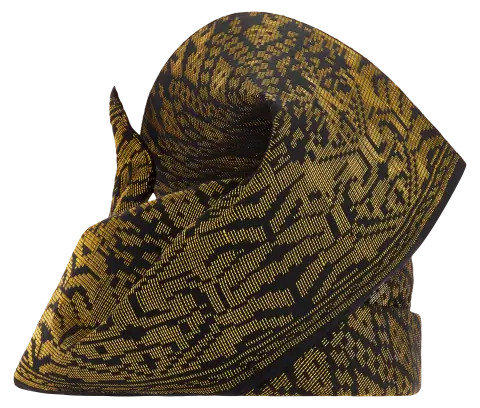
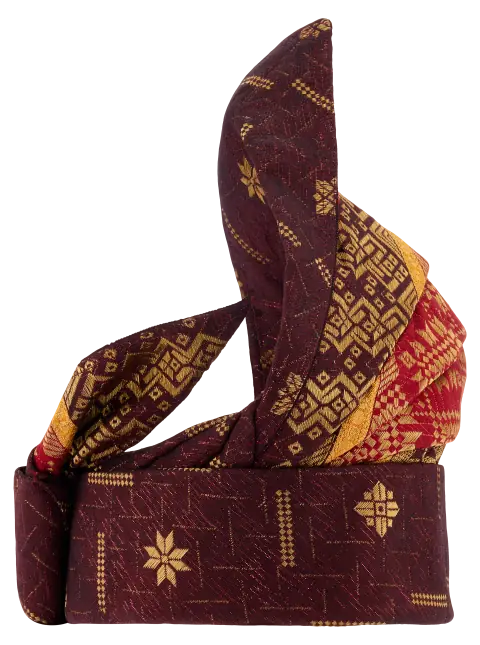
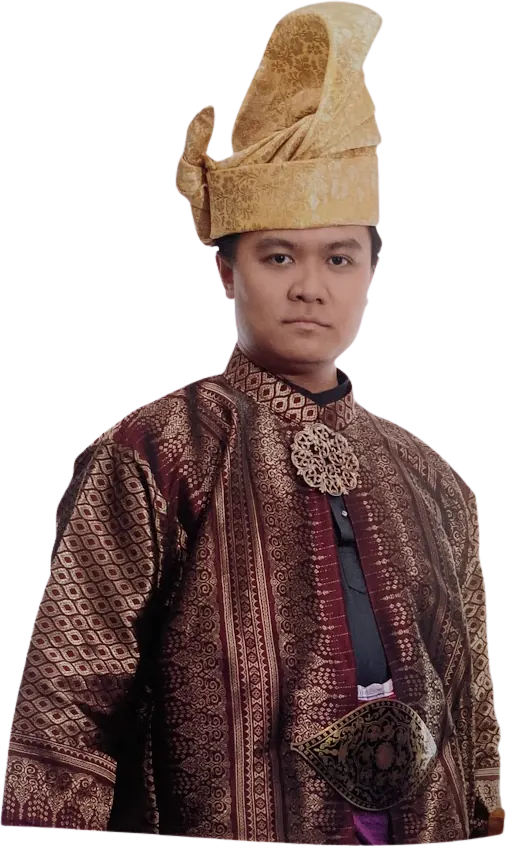
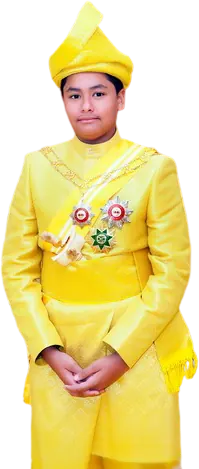
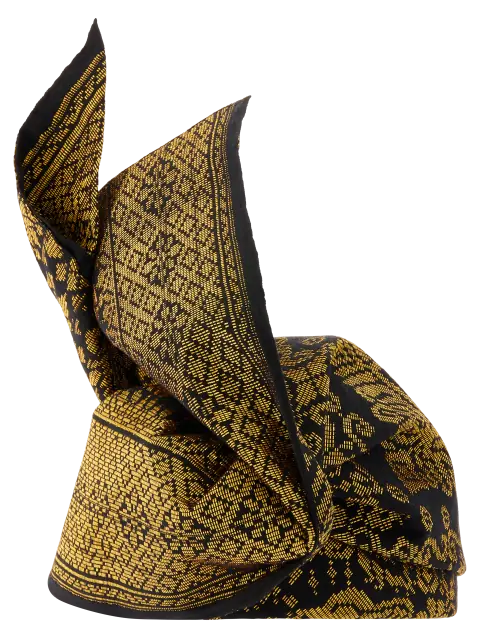
Dendam Tak Sudah is the official ceremonial headgear of His Royal Highness the Yang di-Pertuan Besar of Negeri Sembilan.
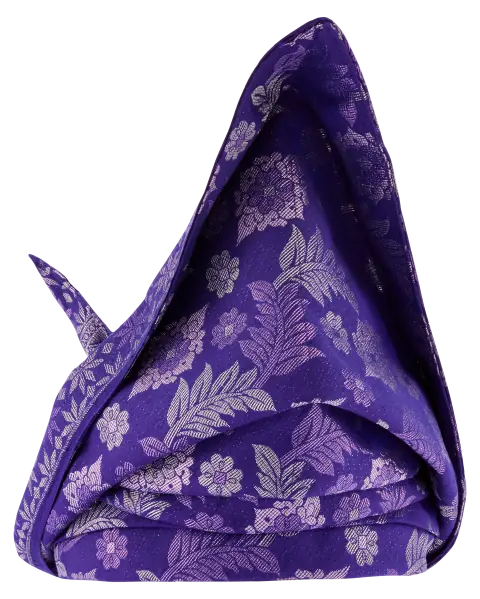
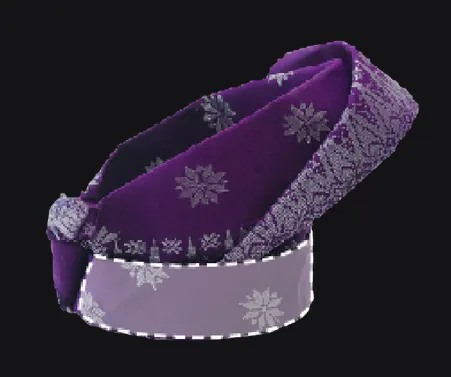
The yellow-coloured version is reserved exclusively for the sovereign, while a variant in purple is designated for the Undang or Penghulu Luak—the traditional territorial chiefs of Negeri Sembilan.
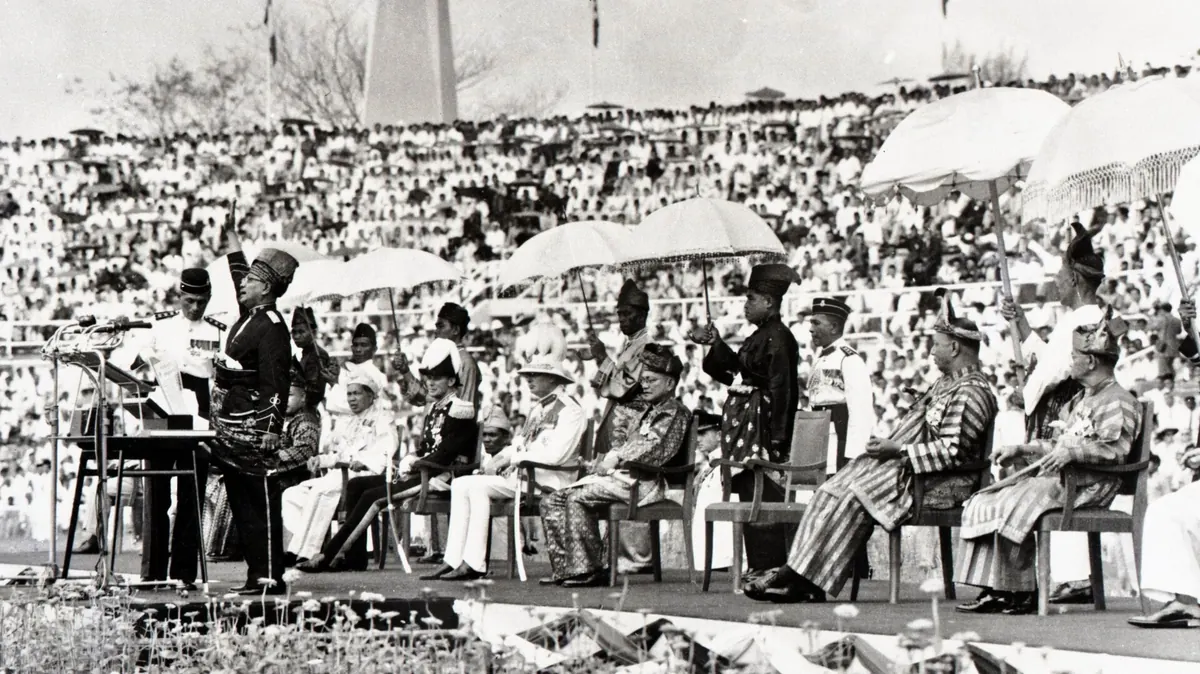
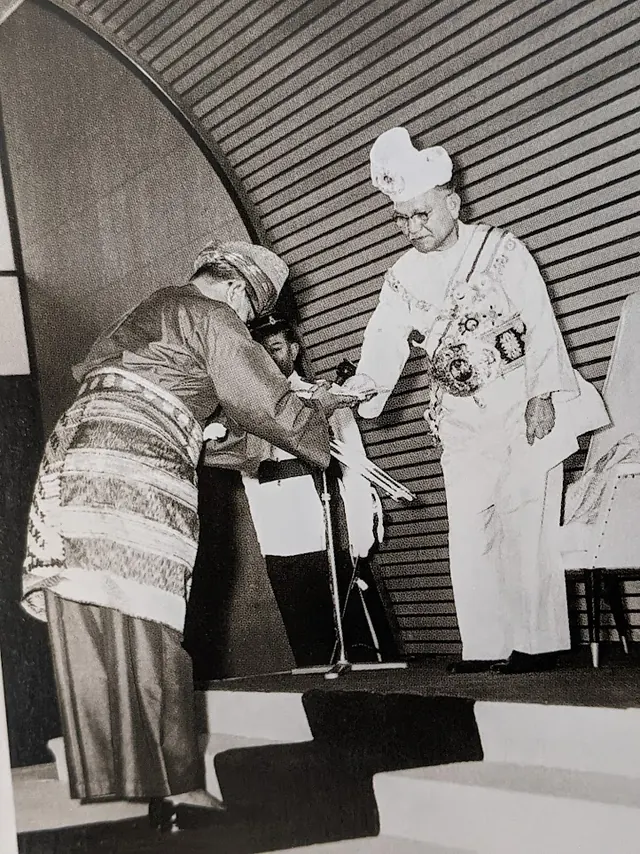
Upon Malaya’s independence in 1957, Dendam Tak Sudah was adopted as the official regalia of the Yang di-Pertuan Agong, the King of Malaysia.
Anatomical Parts of the Tanjak
Lambaian Kasih
Love’s Gesture / The Beckoning Fold
Puncak Kasih
Love’s Crest / Peak of Devotion
Gelembung Kasih
The Heart’s Swell / The Bloom of Love
Lipatan Kasih
Folded With Love / Layers of Devotion
Simpulan Kasih
Knot of Love / Binding of Hearts
Emotional and Relational Phases of Love
Kasih Berjawab
Love Returned / Love Answered
Kasih Bermula
Where Love Begins
Bertemu Kasih
Love Encountered / A Meeting of Hearts
Gelombang Kasih
The Surging of Love / Love’s Swell
Lambaian Kasih
Love’s Gentle Wave / Love Beckons
Courtship and Union
Langkah Bermula
The First Steps
Risik Melangkah
Stepping with Intention / Courting Steps
Risik Bertemu
The Inquiring Union / Courting Fulfilled
Cincin Dikembang
The Ring Unfolds / Blossoming Bond
Lambai Kasih
Love Reaches Out / Love Extends Its Hand
The Everlasting Love
Dendam in classical Malay does not only mean revenge or grudge. In poetic and romantic literature (pantun, syair), it frequently conveys a deep emotional entanglement, such as longing, unresolved desire, or passionate memory (rindu dendam).
Tak Sudah, meaning never-ending, can modify dendam into a timeless state of emotional intensity, not necessarily hostile or bitter. Thus, dendam tak sudah can be reframed as a phrase capturing the persistent, unresolved pull of love, akin to how rindu (longing) is never fully soothed.
The Dendam Tak Sudah tanjak is not merely a headpiece but a ceremonial crown woven with the metaphors of love and life. Each fold and curve is tied to stages of human intimacy and legacy. The tanjak encodes the lifelong, interwoven journey of love, union, and familial duty as part of a living, wearable poem.
If one interprets the Dendam Tak Sudah through its material semiotics, each layer—Lipatan Kasih (Folded with Love), Gelembung Kasih (The Heart’s Swell), Simpulan Kasih (Knot of Love), Puncak Kasih (Love’s Crest)—functions as a syntax of everlasting commitment. This turns the tanjak into a declaration of love that does not wane, even after death or duty. It is the visible form of a spiritual promise.
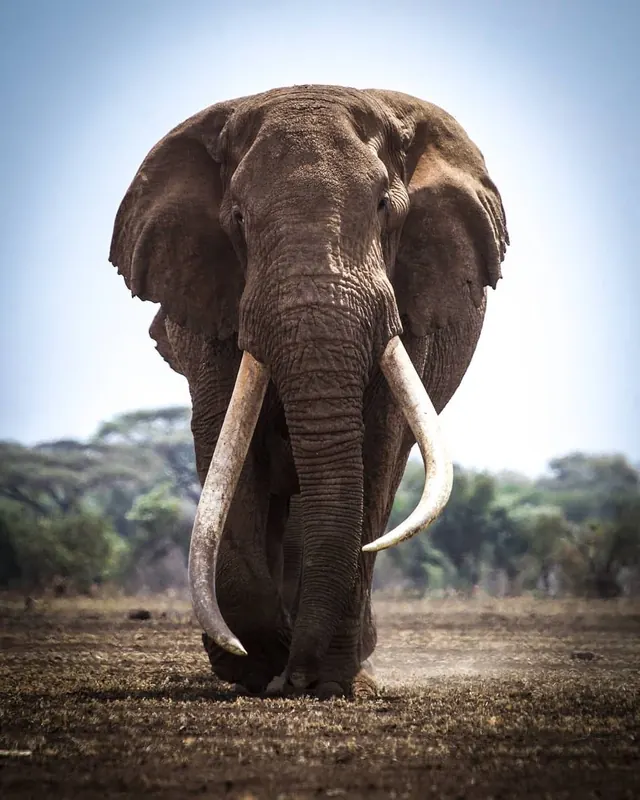
Gajah Gemulung —“The Coiled-Tusked Elephant”— evokes wisdom, maturity, and legacy forged through age and service. The inwardly curled tusks symbolise strength honed over time and honour that endures beyond death. As a tanjak, it signified distinction and was reserved for figures of exceptional stature.
This tanjak was worn by the Laksamana (Admiral), with its design recorded to date back to the time of Hang Tuah. It was later worn by admirals among the Orang Besar Berempat. Over time, this style also became associated with sultans and other high-ranking nobility.
In Hikayat Hang Tuah, the famed Laksamana adorned a “dastar bunga dikarang Gajah Gemulung”. It also appears in the Sejarah Melayu among royal ritual offerings of garlands, perfumes, and betel leaves.
“Maka Laksamana pun memakai dastar bunga dikarang gajah gemulung. Maka Hang Jebat, Hang Kasturi, Hang Lekir, Hang Lekiu pun sama-sama bertajuk bunga cempaka dan bunga angsoka dan bunga China.”
— Hikayat Hang Tuah (circa 1700) edited by Kassim Ahmad (1975)
“…bulang-bulang bunga dikarang; gajah gemuling(sic) berpuluh cepu; bau-bauan khelembak masak…”
— Sejarah Melayu (Sulalatus Salatin, 1808)m Ahmad (1975)
“…Maka diambil Indraputra bunga itu, ditaruhnya pada destarnya menjadi sedah dikarang gajah gemuling(sic)…”
— Hikayat Indera Putera (before 1700)
“…sepegulungan muti emas akan belikan pada lehernya (Sikka: wuli), sayap sandang… dan gajah gemulung (biasa disandang oleh raja-raja)….”
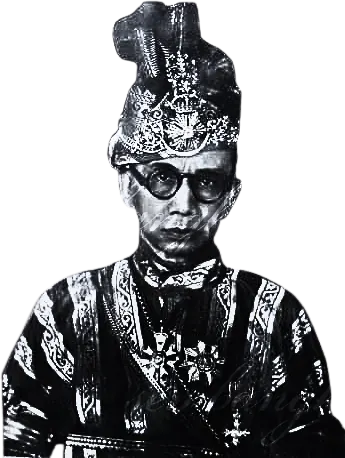
Menyongsong Angin—“Facing the Wind”—embodies courage, grace, and resilience in the face of adversity. This royal variation, taller and more ornate, was worn by Sultan Abu Bakar and his predecessor, Sultan Abdullah of Pahang. Its refined structure departs from older forms in its base and fold construction, suited for royal regalia.
Reserved for Pahang royalty, it symbolises leadership rising into resistance, like an eagle soaring against the wind. Artisans and wearers traditionally recite Ya Latif, invoking inner gentleness and aligning craftsmanship with spiritual discipline.
Ayam Patah Kepak —“The Broken-Winged Chicken”— derives its name from the headpiece’s curved form, resembling a folded wing. Far from suggesting fragility, the silhouette signifies resilience, quiet strength, and grace under adversity. The gentle fold reflects noble dignity and composed endurance.
This form rose to ceremonial prominence through Sultan Azlan Shah Ibni Sultan Yusof Izzudin Shah of Perak, becoming closely identified with his reign and personal symbolism.
Lang Menyongsong Angin—“Eagle Flying Against the Wind”—evokes strength, defiance, and unwavering resilience. Its form channels the image of an eagle advancing into resistance, embodying grace under pressure and martial resolve.
Originally reserved for palace guards and silat warriors among the 99 officers of the royal court, this variation—believed to derive from Solok Timbo—has since transcended its exclusive origins. Once a symbol of elite martial honour, it is now embraced as a dignified emblem of public heritage and cultural pride.
Laksamana Raja Mahkota—“The Crown Prince Admiral”—symbolises the entrusted protector of maritime sovereignty, honour, and security. Its form reflects historical depictions of the title, maintaining the visual authority of noble rank.
It is believed to have been worn by descendants of the Perak’s admiralty, notably Laksamana Muhamad Amin. Three variations exist: one with pointed bamboo shoot tips, and two crown-like styles—Pucuk Pisang Patah (broken bamboo shoot) and Periuk Kera (pitcher plant)—each rich in regional symbolism and ceremonial meaning.
Regions: Malaysia, Singapore, Kalimantan, Riau Islands, Riau
Laksamana Muda—“The Young Admiral”—signifies a period of apprenticeship and emerging leadership, traditionally worn by rear admirals or officers in training under the guidance of a senior Laksamana.
This tanjak embodies the transitional stage where discipline, knowledge, and loyalty are cultivated in service to a higher command. It stands as a symbol of readiness, humility, and untapped potential—an emblem of those poised to rise with honour through the ranks of royal or maritime service.
Pasang Surut—“Tidebound”—is a ritual form of tanjak used in traditional Malay healing practices, its name evoking the ebb and flow of tides as a metaphor for cosmic balance and spiritual alignment.
Worn in ceremonial contexts across Terengganu, Kelantan, and the Natuna Islands, it serves not merely as an adornment but as an instrument of ritual power.
Applied according to specific cosmological and temporal conditions, Pasang Surut channels ancestral guidance and is donned with deliberate intent, embodying the sacred interplay between healer, tradition, and the unseen world.
Anak Belalai Gajah—“The Prince’s Elephant Trunk”—is a distinguished variation of the Belalai Gajah tanjak, crafted for royal princes of the Terengganu Sultanate. Its more modest silhouette preserves the trunk-like form while signalling a rank beneath that of the reigning Sultan.
Traditionally worn by princely heirs until 2010, it embodies measured authority and filial honour. In Malay symbolism, the elephant’s trunk (belalai) represents command and legitimacy, echoing the proverb of an elephant’s broken trunk as a metaphor for lost sovereignty.
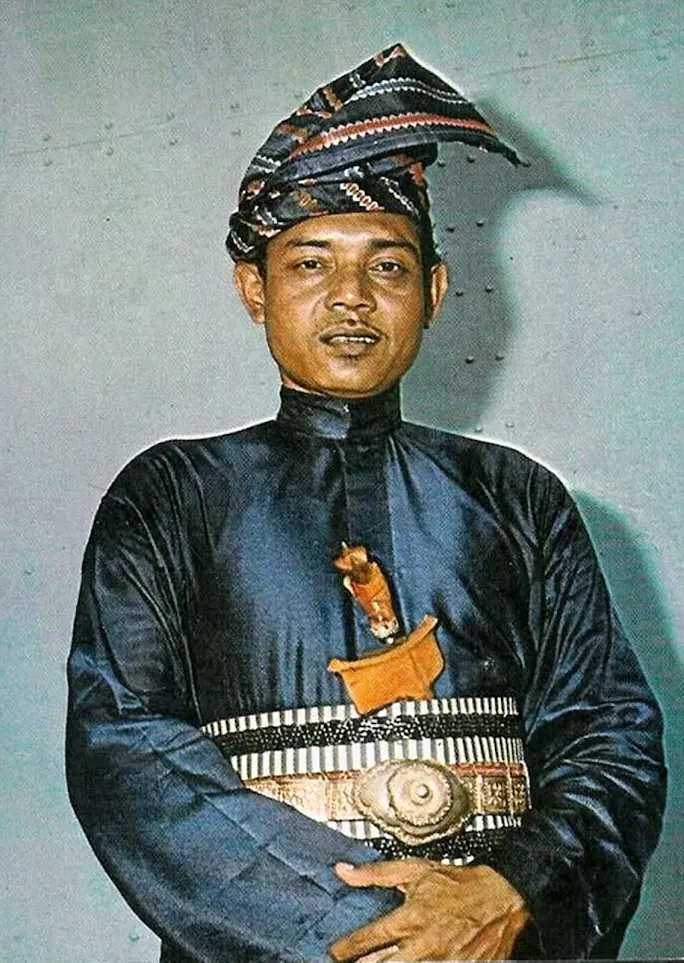
Lang Melayang—“The Soaring Eagle”—symbolises nobility, elegance, and silent strength. Its name evokes a gliding eagle, soaring with dignity and restraint, embodying leadership without ostentation and the timeless grace of martial and courtly honour.
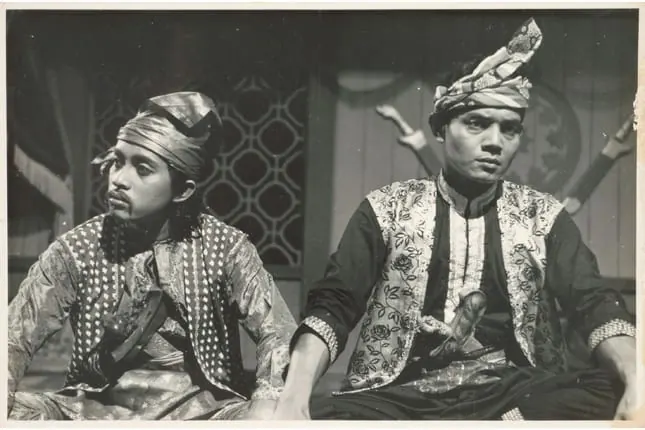
Historically worn in Johor and Perak, this tanjak gained cultural prominence through the late Nordin Ahmad, an iconic figure in classic Malay cinema. Through his portrayals of heroic and iconic characters, Lang Melayang became an enduring visual metaphor for the refined poise and strength of the Malay spirit.
Nordin Ahmad’s roles include Laksamana Megat Sri Rama in Sultan Mahmud Mangkat Di Julang (1961), the titular character in Hang Jebat (1961), Hang Kasturi in Hang Tuah (1956), Laksamana Dandiar in Raden Mas (1959), and Tun Ali in Tun Fatimah (1962).
Balong Ayam—“The Rooster’s Comb”—takes its name from the bird’s crown-like crest, symbolising vigilance, pride, and honour. It evokes leadership and courage, echoing the rooster’s role as guardian of the dawn.
Historically worn by Paduka Seri Sultan Yussuf Izzudin Shah Ibni Al-Marhum Sultan Abdul Jalil of Perak, this tanjak served as a regal emblem of readiness and noble alertness, embodying the sovereign’s role as a vigilant protector and dignified herald of change.
Sultan Yussuf Izzudin Shah
Titisan Terimba: Tanjak Genealogy
Each design evolution follows the “Titisan Terimba” or “salasilah” encapsulating vital narratives and hidden histories such as status, origins, geographical shifts, and erased pasts.
Takur Tukang Besi is the ‘mother’ of tanjak, having the most extensive and oldest designs. Its existence predates the 19th century. The impact of its design is discernible in the headdresses worn in numerous other centers of the old Malay kingdoms.
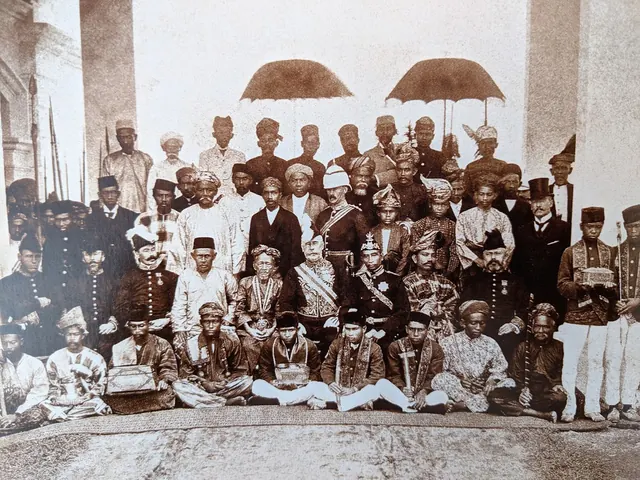
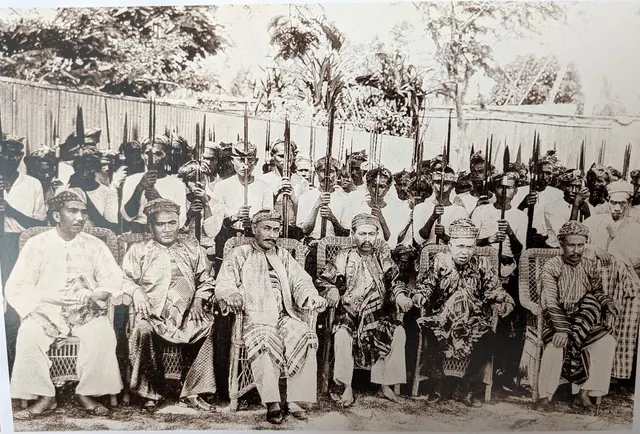
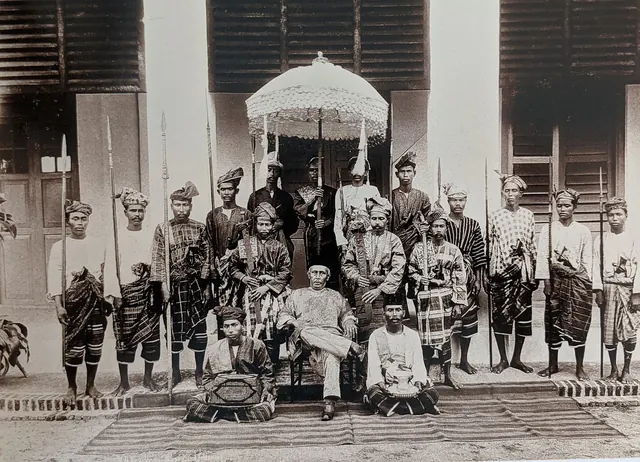
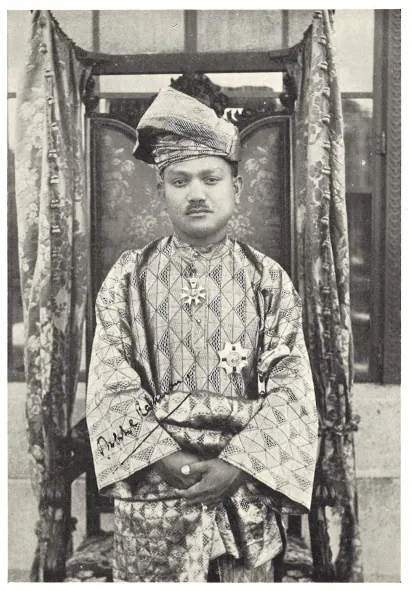
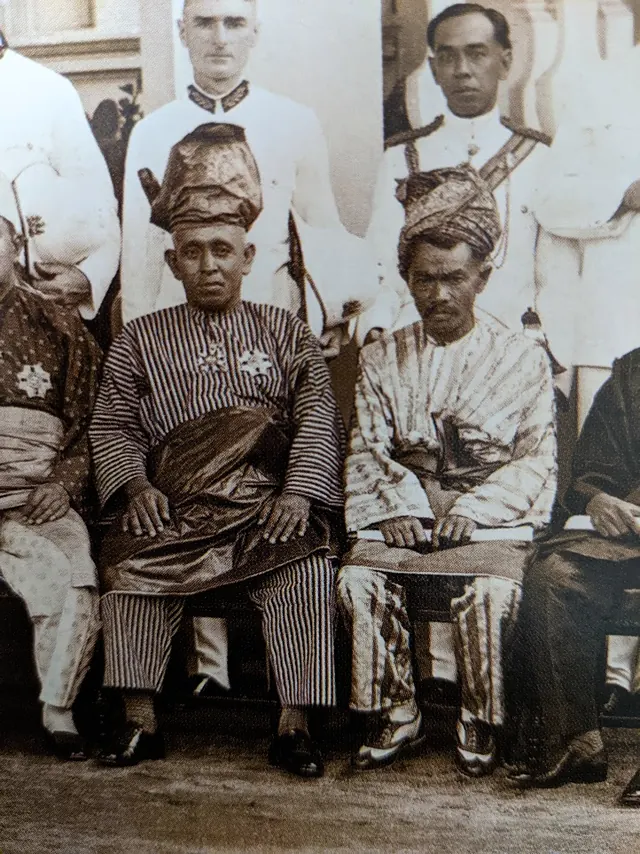
Historical images document the Bugis Tak Balik tanjak being worn by notable figures such as Sayyid Mashhur bin Muhammad Al-Shahab, better known as Sharif Masahor, a revered freedom fighter in Sarawak, and Sultan Mahmud Shah, the son of the late Sultan Ahmad Muazzam Shah of Pahang. His reign was from April 13, 1909, to June 19, 1917.
Historical images show that Sultan Iskandar Shah, son of the late Sultan Idris of Perak (1918-1938), and Sultan and Yang di-Pertuan Besar Serdang Basyaruddin Syaiful Alamsyah, the fourth Sultan of Serdang, wore Tebing Tinggi and Tebing Runtuh.
Old images reveals that the late Sultan Abdullah Al-Mu’tasim Bi’llah Shah, son of the late Sultan Ahmad Al-Muadzam Shah, the third Sultan of Pahang in the modern era, who reigned from 1917-1932, wore the Menyongsong Angin.
Tanjak genealogy chart
Takur Tukang Besi
Nakhoda Trong
Lang Melayang
Tebing Tinggi
Tebing Runtuh
Passapu
Mahkota Alam
Bugis Tak balik
Cogan Daun Kopi
Raja Naik Bersiram
Menyongsong Angin
Tanjak Sunda Menggamit
Ajutan Bingas
Anderiguru Selebu
Crafting a Tanjak
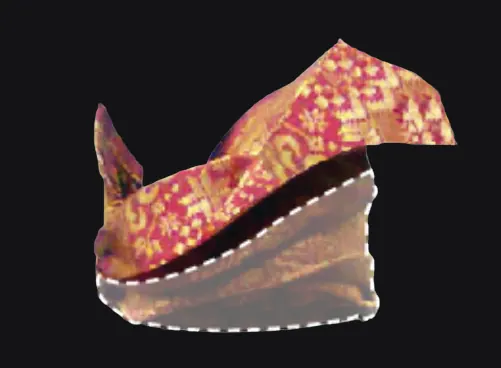
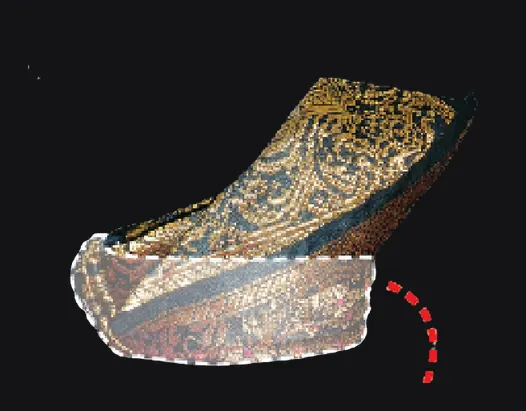
1. Base (Tapak)
The base or ‘tapak’ is the first fold before making the strap fold, or ‘bengkung’.
The base symbolises the symbolic first step.
1. Base Strap (Tapak Bengkung)
A type of base that has the same height and width size as the bengkung. For example, if the base is three fingers wide and high, then the width and height of the bengkung is also three fingers.
2. Child Base (Tapak Anak)
A type of base that has a height and width size half that of the bengkung.
3. Fate Base (Tapak Nasib)
A type of base that can easily break or open. This base needs to be made carefully as it is easily unravelled. There is a belief that when the fate base opens while being put on or while wearing it, it’s a sign of bad luck or warning. This type of base also has its own prayer during the base-making process.
2. Strap (Bengkung)
The ‘bengkung’ is the second and subsequent folding after the first fold of the base.
1. Twisted Bengkung (Bengkung Kilas)
A type of bengkung where one side (left or right) is twisted during the bengkung-making process.
The knot or ‘simpul’ symbolises the tie of blood, origin, and lineage. The knot represents the offspring of the wearer. A legitimate tie symbolises a legitimate offspring, while an incorrect tie symbolises an illegitimate child or a child born out of wedlock. The knot has several different forms. The shape of the knot also symbolises regions, places, states, countries, and areas.
The two ends of the cloth ‘bengkung’ symbolise a man and a woman. These two parts are tied into a specific knot, symbolising the bond of marriage.
Ketupat Makassar / Seberang
Ketupat Palas
Ketupat Burasak Temenggung
Ketupat Burasak Laksamana
Garam Sebuku
4. Composition/Arrangement (Karangan)
The arrangement or ‘karangan’ is the uppermost part of the tanjak. This section is most important for determining the name of the tanjak.
5. Derivations/Evolution (Kembangan)
Every new form is produced through the evolution from the original tanjak to the new tanjak. Each original and old tanjak has its lineage or ‘salasilah’. The process of making a tanjak has its own evolution technique. Evolution refers to a step-by-step modification to a new stage. The first tanjak ever made is called the ‘mother of tanjak’ or ‘bonda’. Every new form is produced through the evolution from the original tanjak to the new tanjak.